
What Happens When Police Find a Firearm During a Michigan Traffic Stop? Key Issues a Gun Defense Lawyer May Review
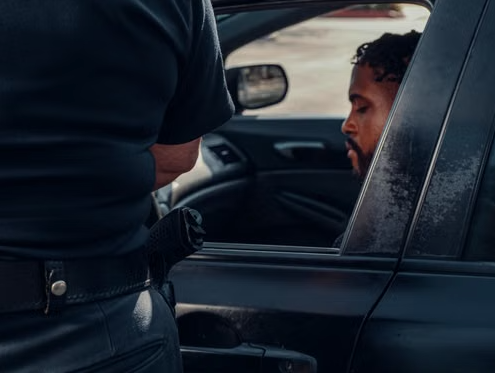
A firearm discovered during a traffic stop can change the situation immediately. The legal questions may involve where the gun was located, who possessed it, whether the person had a valid concealed pistol license, how the firearm was transported, and why police searched the vehicle. Michigan law draws important distinctions between licensed carry, lawful transport, prohibited possession, and firearm possession connected to another felony.
A gun defense lawyer should separate those issues before deciding what the evidence proves. That is especially important when several people are in the vehicle, or the stop produces additional allegations. The key facts often come from the recording, the vehicle layout, licensing records, and the exact statute charged.
Key Takeaways
- Location and licensing matter. Vehicle carry rules can change with CPL status and the way a pistol was stored.
- CPL disclosure duties are specific. The timing and content of the interaction should be checked against the recording.
- Transport exceptions depend on facts. Loading, casing, accessibility, and purpose can affect the analysis.
- Possession must still be proved. A firearm in a shared vehicle is not automatically attributable to every occupant.
- The stop and search can be a defense issue. Police still need lawful grounds for the detention and search.
What Police May Focus on During the Stop
Who Possessed the Firearm
When a gun is visible or discovered, officers may secure the scene and determine who had access to it. The defense then asks what evidence connects the firearm to a particular person, including vehicle control, seat position, statements, forensic evidence, and access to the storage area.
A gun defense lawyer should distinguish possession from proximity. In a shared vehicle, the issue may be whether the accused knew about the firearm and had the ability or right to control it.
CPL Status and Disclosure
Michigan law places specific duties on a person who is carrying a concealed pistol under a concealed pistol license. The Michigan State Police April 2026 legal update summarizes the requirement that a CPL holder who is carrying concealed have the license and state identification available and immediately disclose to a peace officer, when stopped, that the person is carrying a concealed pistol on the person or in the vehicle. The exact facts of the encounter matter when evaluating an alleged disclosure violation.
Counsel may compare the report with body-camera audio to determine when the stop began, what was disclosed, when officers learned about the firearm, and whether the CPL was valid.
Michigan Carry and Transport Rules That May Matter
Carrying a Pistol in a Vehicle
MCL 750.227 generally prohibits carrying a concealed pistol on or about the person, or carrying a pistol in a vehicle, without a license or an applicable exception. A violation of that section can be charged as a felony carrying up to five years of imprisonment, a fine of up to $2,500, or both. Because the statute contains licensing and exception issues, the defense needs a precise account of the firearm, the person’s status, and the manner of transportation.
Lawful Transport Exceptions
Michigan provides exceptions for certain lawful transportation. MCL 750.231a includes circumstances involving an unloaded pistol in a closed firearm case carried in the trunk, or, in a vehicle without a trunk, unloaded, cased, and not readily accessible. Whether the exception applies depends on the actual facts.
Counsel may examine whether the pistol was loaded and cased, where it was stored, the purpose of transport, ownership, and whether another statutory exception applied. Photographs and videos can clarify the vehicle layout.
Michigan Gun Charges Can Overlap
Different firearm statutes address different conduct. Under MCL 750.227b, a felony-firearm can carry a mandatory two-year term for a first conviction, generally served consecutively to the underlying felony sentence. A Lansing criminal attorney reviewing multiple counts should identify each offense, each element, and its supporting evidence separately.
Police may also investigate whether a particular person is legally prohibited from possessing a firearm. That issue is separate from vehicle carry or transport and still requires proof that the accused knowingly possessed the specific firearm.
What a Gun Defense Lawyer May Review
Basis for the Traffic Stop
The firearm issue may begin with an ordinary traffic violation. Counsel can examine whether the officer had a lawful basis for the stop and whether the detention remained reasonably related to its purpose. Video, dispatch records, and the citation can help test that account.
Basis and Scope of the Search
A traffic stop does not create unlimited search authority. The claimed basis may be consent, probable cause, a warrant, an inventory, or another exception. Counsel may examine what officers knew before the search and whether they remained within the lawful scope.
Statements and Related Allegations
Statements may be used to show ownership or knowledge. The defense can compare the report with recorded audio, identify Miranda issues when applicable, and place any statement in the context of a multi-occupant stop.
If controlled substances are also found, a Michigan drug lawyer may need to address a separate possession theory. An Ann Arbor lawyer may handle local procedure in Washtenaw County, but the firearm rules remain statewide. Each allegation should be tied to its own elements and evidence.
Evidence Worth Preserving
Important material can include CPL records, video, dispatch audio, photographs, inventory paperwork, forensic results, vehicle documents, and witness statements. In Michigan gun charges, small factual differences can separate lawful conduct from a criminal allegation.
Conclusion
A firearm found during a traffic stop raises more than one question. CPL status, disclosure, transport conditions, possession, the legality of the stop and search, statements, and any related felony allegation may all affect the result.
A gun defense lawyer should work from the specific statute and the objective record rather than assumptions about ownership or vehicle access. Early review can also help preserve video and licensing information.
If you are facing a Michigan firearm charge after a traffic stop, contact the Law Office of Kareem Johnson for a confidential case review.
FAQs
Can police temporarily secure a firearm during a traffic stop?
Officers may take safety measures during a lawful stop. Whether a seizure remains lawful depends on the circumstances and how long it continues.
What happens if the gun belongs to another occupant?
Ownership matters, but possession is a separate legal question. The evidence must still connect the accused person to knowledge and control.
Can a traffic citation and firearm charge proceed separately?
Yes. A traffic infraction and a firearm allegation can involve different statutes, evidence, and defenses even when they arise from one stop.
What records can help prove CPL status?
The physical license, state records, identification, renewal history, and body-camera footage of the disclosure may all become relevant.
What happens to a firearm seized as evidence?
Its return depends on the reason for seizure, the case outcome, ownership, and legal eligibility to possess it. Procedures can vary.
Legal note: This article provides general information and is not legal advice. Michigan law and case outcomes depend on specific facts and current law.