
What Happens If Police Find a Gun in Your Vehicle During a Michigan Traffic Stop?
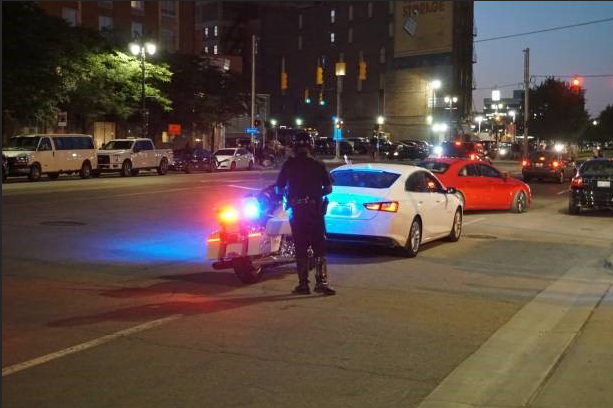
Seeing police lights behind you is stressful enough. If there is also a firearm somewhere in the vehicle, the situation can become much more serious very quickly.
But finding a gun does not automatically mean that someone has committed a crime. Michigan law looks at several details: what type of firearm it is, whether the person has a valid concealed pistol license, how the firearm was transported, who possessed it, and whether that person was legally allowed to possess a firearm.
The legality of the police search can matter too. A gun charges lawyer will usually examine the entire traffic stop rather than treating the discovery of the firearm as the end of the analysis.
Key Takeaways
- A firearm inside a Michigan vehicle is not automatically illegal.
- Different rules apply to pistols and other types of firearms.
- Michigan CPL holders have specific disclosure requirements during police stops.
- A gun found near several occupants does not automatically establish who possessed it.
- A gun charges lawyer can review possession, transportation, licensing, and the legality of the search separately.
What Police Check When a Gun Is Found in a Michigan Vehicle
Your CPL Status Matters
One of the first questions is whether the firearm is a pistol and whether the person carrying it has a valid concealed pistol license.
Under Michigan’s concealed weapons law, a person generally cannot carry a pistol, concealed or otherwise, in a vehicle they operate or occupy without a license or applicable statutory exception. A violation of MCL 750.227 can be a felony punishable by up to five years in prison or a fine of up to $2,500.
Having a CPL changes the analysis, but it also creates responsibilities during a police encounter.
Michigan law requires a CPL holder who is carrying a concealed pistol on their person or in their vehicle to immediately disclose that fact when stopped by a police officer. The person must also produce the CPL and state-issued identification when requested. A first failure to make the required disclosure is a civil infraction carrying a $500 fine and a six-month CPL suspension.
Transportation Rules Depend on the Firearm
A person without a CPL should not assume that putting a pistol in a case makes every form of vehicle transportation lawful.
Michigan law provides specific exceptions for transporting pistols. One exception covers transportation for a lawful purpose when the statutory licensing and storage requirements are satisfied. Among other requirements, the pistol must be unloaded and placed in a closed firearm case in the trunk. When the vehicle has no trunk, the case must not be readily accessible to occupants.
Rules differ for firearms other than pistols. Under MCL 750.227d, an unloaded firearm other than a pistol generally must be taken down, enclosed in a case, carried in the trunk, or otherwise inaccessible from the vehicle interior.
A loaded firearm other than a pistol in a vehicle can raise a separate issue under MCL 750.227c, which provides for a misdemeanor punishable by up to two years in jail or a fine of up to $2,500.
Because these rules depend heavily on the type of firearm and the circumstances of transportation, a gun charges lawyer should identify the exact statute involved before evaluating the allegation.
Police Still Need to Connect the Gun to Someone
A gun may be inside the vehicle, but another question remains: who legally possessed it?
This becomes especially important when several people are in the car. Michigan recognizes both actual and constructive possession. Courts have explained that constructive possession can exist when someone knows where the firearm is and it is reasonably accessible, or when proximity is accompanied by evidence of control.
That means the seating position alone does not necessarily answer the question.
Police and prosecutors may look at where the gun was found, who owned the vehicle, whether the firearm was within reach, statements made during the stop, ammunition, personal belongings, fingerprints, or other evidence connecting a particular person to it.
An Ann Arbor lawyer handling a shared-vehicle case, for example, would need to distinguish evidence showing simple proximity from evidence supporting actual or constructive possession.
Some People Cannot Legally Possess Firearms
Even properly stored firearms can create serious legal problems if the person connected to them is legally prohibited from possessing a firearm.
Michigan’s firearm restrictions include certain people with prior felony convictions and certain domestic-violence misdemeanor convictions. The applicable restriction depends on the conviction and whether statutory requirements for restoration have been satisfied. A violation of MCL 750.224f can result in a felony carrying up to five years in prison and a fine of up to $5,000.
This is why the person’s legal status can matter just as much as where the gun was located.
A Lansing criminal attorney reviewing the case would typically examine the prior conviction, applicable restriction period, restoration status, and the prosecution’s evidence of possession.
The Vehicle Search Can Be Challenged Separately
Finding a firearm does not automatically establish that the search leading to it was lawful.
Michigan courts recognize several circumstances in which police can take safety measures during traffic stops. Officers may ask about weapons, and under appropriate circumstances, they may conduct a limited protective search when there is reasonable suspicion that an occupant is dangerous and could gain control of a weapon.
Broader vehicle searches require their own legal justification. Depending on the facts, that may include consent, probable cause, a lawful arrest, or another recognized exception to the warrant requirement.
The Michigan Judicial Institute also notes that police can search a vehicle without a warrant when probable cause exists to believe it contains contraband.
For that reason, a gun charges lawyer may review dash-camera footage, body-camera recordings, police reports, consent claims, the reason for the original stop, and how long the detention lasted.
Other Evidence Can Add Charges
A firearm discovery sometimes occurs alongside allegations involving drugs, stolen property, or another felony.
If police also find controlled substances, a Michigan drug lawyer may need to examine the drug evidence separately from the firearm evidence. The prosecution still must establish the elements of each offense.
Michigan’s felony-firearm statute creates another potential issue. A person who possesses or carries a firearm while committing or attempting certain felonies can face an additional felony-firearm charge. A first conviction carries a two-year term that generally runs consecutively to the sentence for the underlying felony. The statute contains exceptions, so it does not apply automatically to every firearm-related case.
These overlapping allegations are one reason Michigan gun charges should be evaluated individually rather than assuming that every item found in a vehicle belongs to every occupant.
Hire a Gun Charges Lawyer to Review the Traffic Stop
A firearm found during a traffic stop can lead to very different outcomes depending on the details. A valid CPL, proper transportation, lawful possession, the firearm’s location, statements made during the stop, and the legality of the search can each affect the case.
A gun charges lawyer can examine whether police correctly identified the applicable firearm law, whether the prosecution can connect the gun to the accused person, and whether evidence was obtained through a lawful stop and search.
The important point is that the presence of a firearm does not answer every legal question. Michigan vehicle firearm cases depend on the complete circumstances, and each part of the police encounter should be reviewed before conclusions are drawn.
The Law Office of Kareem Johnson PLLC can review the traffic stop, firearm evidence, and Michigan gun laws that may apply to your case. Contact us today.
FAQs
Can police temporarily secure a gun during a traffic stop?
Yes, officers may take safety measures during a lawful stop. Whether the firearm can be kept afterward depends on the investigation, evidence, and case status.
Does a CPL from another state work in Michigan?
Michigan recognizes certain out-of-state licenses under specific conditions. Residency and the issuing state’s license rules should be checked before relying on reciprocity.
Can ammunition create a separate problem?
It can, in some situations, particularly for a prohibited person or when another law restricts possession. The firearm and ammunition issues should be reviewed separately.
What if the gun belongs to a family member who left it in the car?
Ownership can support that explanation, but investigators may still examine whether the driver knew the gun was present and had control over it.
Can a traffic-ticket case and a gun case proceed separately?
Yes. The original traffic violation and any firearm charge can follow different procedures and involve different evidence, defenses, and potential penalties.
Legal information note: This article provides general information about Michigan law and is not legal advice for any specific case.