
What Happens After an OWI Arrest in Michigan? Understanding Chemical Tests, License Consequences, and Defense Options
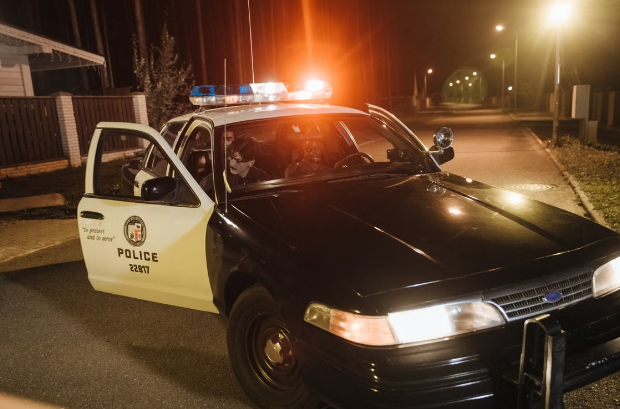
An OWI arrest can quickly create several separate concerns: chemical testing, driving privileges, bond conditions, and upcoming court dates. A breath or blood result may become important evidence, but the way it was requested, collected, and documented can matter too. A Michigan OWI attorney will usually review the entire sequence rather than focus on one number or one police report. That includes the reason for the stop, field observations, testing, paperwork, and the deadlines that follow. Understanding how those pieces fit together can make the next steps less confusing and help a driver avoid preventable mistakes while the case is still developing.
Key Takeaways
- Chemical testing is one part of the case. The stop, observations, procedure, and documentation all matter.
- A refusal can create separate license consequences. Implied-consent issues may move independently from the criminal charge.
- Deadlines can arrive quickly. Administrative hearing rights may be lost if required action is not taken on time.
- License sanctions are fact-specific. BAC level, prior history, and refusal issues can change the analysis.
- Early evidence preservation matters. Video, test records, dispatch material, and witness information can become harder to obtain.
What Usually Happens After a Michigan OWI Arrest
After an arrest, the officer may request an evidentiary chemical test of breath, blood, or urine under Michigan’s implied-consent framework. Michigan law on implied consent treats drivers as having consented to specified chemical testing when the statutory conditions are met. That test is different from the roadside preliminary breath test commonly used during the investigation. The evidentiary test is the one that can carry implied-consent consequences if a qualifying request is refused.
Booking, Release, and Arraignment
The immediate sequence varies by agency and case. A person may be booked, held until release conditions are met, or released with instructions for the next court date. At arraignment, the court states the charge, addresses rights and release conditions, and formally begins the case. Scheduling varies, so the paperwork provided after release should be reviewed carefully.
A Michigan OWI lawyer may compare the ticket or complaint with the police report, bond conditions, and Secretary of State paperwork. The review should also identify any crash, passenger, school, employment, or separate criminal issue that could affect the strategy.
Chemical Test Evidence
Under MCL 257.625, Michigan’s OWI law covers driving while under the influence and driving with an unlawful alcohol level, including the 0.08 alcohol-content threshold for most adult drivers. A first-offense high-BAC category applies at 0.17 or more. A test result, however, does not answer every legal question. Timing, machine maintenance, operator procedure, observation periods, blood-draw protocol, laboratory handling, and the relationship between the test time and the driving time may all require review.
Chemical results should be read alongside body-camera video, dash-camera footage, field observations, driving behavior, statements, medical information, and the testing timeline. The question is whether the result is properly supported and accurately connected to the alleged driving.
Chemical-Test Refusal and License Consequences
Implied-Consent Refusal
Michigan distinguishes refusal of an officer-requested evidentiary chemical test from other roadside investigation steps. A refusal may lead to a court order for testing and can also trigger administrative license consequences separate from the final criminal outcome.
A driver who receives an implied-consent refusal notice should pay close attention to the hearing deadline. MCL 257.625e provides a 14-day period to request a hearing. Missing that window can make it much harder to contest the administrative action. This is one reason contacting a Michigan OWI attorney soon after the arrest can be important, even when the first criminal court date is still days away.
Potential License Sanctions
The consequences are fact-specific. According to the Michigan State Police summary of OWI consequences, a first OWI with an alcohol level below 0.17 can carry up to 180 days of license suspension, while a first high-BAC OWI can carry up to one year of suspension, with restricted driving and ignition-interlock rules potentially applying after the initial suspension period. A first implied-consent refusal can result in a one-year license suspension. Prior offenses or prior refusals can increase exposure.
Criminal penalties can include fines, possible jail, community service, points, treatment requirements, and other court conditions. The exact result depends on the charge, prior record, and aggravating facts, so license and criminal consequences should be analyzed separately.
What a Defense Review May Examine
Reason for the Stop
A defense review starts before chemical testing. Counsel may examine whether the officer had a lawful basis for the stop or encounter and whether the detention remained justified. Patrol video and dispatch records can help test the account in the report.
Related Charges and Consequences
An OWI arrest can also create issues beyond the driving charge. A college case may involve a student defense lawyer, a weapon allegation may require a gun charges lawyer, and a Lansing filing may call for a Lansing criminal lawyer familiar with local procedure. Each issue should be analyzed on its own elements instead of being treated as proof of the others.
Evidence to Preserve Early
Evidence can become harder to obtain with time. Counsel may seek patrol and body-camera video, dispatch audio, test records, laboratory reports, photographs, crash data, witness information, and digital records that help establish timing or contradict the written report.
Conclusion
An OWI arrest can involve several tracks at once: the criminal charge, chemical-test issues, license deadlines, court appearances, and evidence preservation. Organizing the paperwork and identifying time-sensitive issues early can protect options that may otherwise be lost. A Michigan OWI attorney can review the stop, testing, administrative notices, and available defenses based on the actual record.
If you are facing an OWI charge in Michigan, contact the Law Office of Kareem Johnson for a confidential consultation.
FAQs
What documents should I keep after an OWI arrest?
Keep the citation, bond papers, chemical-test paperwork, license notices, towing records, and any court documents together for legal review.
Can an OWI case affect employment or professional licensing?
It can, depending on the job, license, employer policy, and final case outcome. Those collateral concerns should be identified early.
Should I post about the arrest on social media?
Public posts can create unnecessary evidence or context disputes. It is generally safer to avoid discussing an active criminal case online.
Can an out-of-state driver face Michigan consequences?
Yes. A Michigan case can create Michigan penalties and may also be reported to the driver’s home licensing authority.
Can an OWI charge be resolved without a trial?
Some cases resolve through motions or negotiated outcomes, while others proceed to trial. The evidence and procedural posture control the options.
Legal note: This article provides general information and is not legal advice. Michigan law and case outcomes depend on specific facts and current law.