
What Happens If You Refuse a Breath or Blood Test After an OWI Arrest in Michigan?
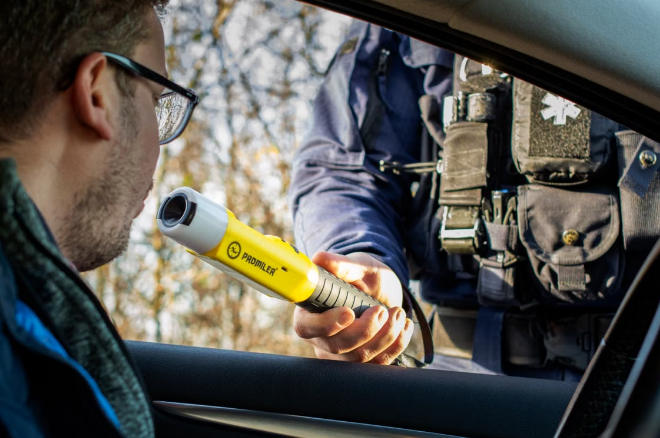
Refusing a chemical test after an OWI arrest in Michigan can create a second legal problem that is separate from the criminal OWI charge. The confusing part is that Michigan uses more than one kind of breath test, and the consequences of refusing them are not the same. A roadside screening test, a post-arrest evidentiary test, and a court-ordered blood draw all involve different rules.
That is why the first question is not simply, “Did you refuse?” It is, “Which test was requested, when was it requested, and what happened next?” Understanding that sequence helps explain the licensing deadlines and court issues that follow.
Key Takeaways
- Michigan treats roadside preliminary breath testing differently from post-arrest implied-consent chemical testing.
- A first implied-consent refusal can trigger a one-year license suspension; a repeat refusal within seven years can trigger two years.
- The driver generally has 14 days to request an implied-consent hearing after receiving the refusal notice.
- Police may seek a court order for chemical testing even after a refusal.
- The licensing case and the criminal OWI case move on separate tracks.
What Michigan Law Treats as a Test Refusal
Michigan distinguishes a roadside preliminary breath test from the chemical test requested after an arrest. Under the Michigan Judicial Institute traffic benchbook, refusing a preliminary breath test in a noncommercial vehicle is generally a civil infraction. That roadside test is used during the investigation and is not the same as the evidentiary chemical test governed by Michigan’s implied-consent law.
After an arrest, an officer may request an evidentiary breath, blood, or urine test when the legal requirements are met. Drivers are considered to have consented to this type of testing by operating on Michigan roads. Refusing that post-arrest chemical test triggers the implied-consent process even if the OWI criminal case is later reduced, dismissed, or contested.
What Happens When Anyone Refuses a Breath or Blood Test After an OWI Arrest in Michigan
Immediate License Consequences
The most urgent consequence is administrative. Under MCL 257.625f, a first implied-consent refusal can result in a one-year license suspension. A second or later refusal within seven years can result in a two-year suspension. Michigan law also provides for six points to be added to the driving record when the implied-consent refusal is sustained.
These sanctions are handled through the Secretary of State process, not simply through the criminal court. That means someone facing an OWI arrest in Michigan can be dealing with two tracks at once: the OWI prosecution and an administrative challenge to the refusal. Missing the administrative deadline can make the license issue much harder to address.
The 14-Day Hearing Deadline
Michigan law gives a driver 14 days from the refusal notice to request an implied-consent hearing. The hearing is limited to specific questions, including whether the officer had reasonable grounds, whether the arrest was lawful, whether the request for the test was proper, and whether the driver actually refused. A Michigan OWI lawyer may review the paperwork, video, test request, and timeline to determine which of those issues is genuinely disputed.
The short deadline matters because the Secretary of State can impose the suspension if no timely hearing is requested. A criminal court date weeks later does not automatically protect that administrative deadline. Treating the two processes as separate from the start is one of the most important practical points after a refusal.
Police May Seek a Court Order
Refusing a requested chemical test after an OWI arrest in Michigan does not always mean no sample will be taken. Michigan law allows an officer to seek a court order for a chemical test. If a judge issues an order for a blood draw, the refusal dispute and the resulting blood evidence can become separate parts of the case. The prosecution may still rely on the chemical result, while the defense may examine whether the warrant application and collection process met legal requirements.
This is also why a refusal should not be viewed as a guaranteed way to keep chemical evidence out of a case. It can instead add license consequences while officers pursue a warrant. The facts surrounding the request, refusal, warrant, and testing procedure need to be evaluated together.
Refusal Evidence in the OWI Case
Michigan law allows evidence of a chemical-test refusal to be considered in an OWI prosecution. A prosecutor may argue that the refusal is relevant to the circumstances of the investigation, while the defense can challenge what the refusal actually means in context. Confusion, medical concerns, language barriers, unclear instructions, or disagreement about which test was being requested can matter depending on the evidence.
The broader OWI case still depends on proof of the charged offense. Driving behavior, officer observations, field sobriety testing, body-camera footage, witness statements, chemical results, and the timing of alcohol or drug use can all become relevant. A refusal is important evidence, but it does not automatically establish guilt.
Special Situations Need Separate Review
Age, license type, and the location of the stop can change the analysis. Commercial drivers face additional rules. Drivers under 21 can face different consequences for preliminary breath-test refusal. Students may also face school conduct proceedings if the arrest is connected with campus activity, which is where a student defense lawyer may need to coordinate the criminal and school-related timelines.
The same principle applies when an OWI stop leads to another investigation. If officers claim they found drugs or a weapon, separate search, possession, and licensing questions arise. A Lansing criminal lawyer or gun charges lawyer reviewing a multi-charge case should distinguish each allegation instead of treating the traffic stop as one issue.
What to Preserve After the Arrest
Documentation can become important quickly after an OWI arrest in Michigan. Keep the temporary paper license, refusal notice, bond papers, tow records, medical records related to the incident, and any receipts showing where you were before the stop. Write down the sequence of events while it is still fresh, including what the officer said about testing and whether you asked questions about the requested test.
Do not assume that the police report will capture every detail. Dash-camera and body-camera recordings, booking-room video, breath-testing records, warrant documents, and laboratory records may provide a more complete timeline. Legal review is most useful when those materials are compared with the actual statutory requirements rather than viewed in isolation.
Conclusion
A refusal after an OWI arrest in Michigan can affect driving privileges even before the criminal case is resolved. The most important distinction is whether the refusal involved a roadside preliminary test or the post-arrest chemical test covered by implied consent. From there, the 14-day hearing deadline, possible one- or two-year suspension, potential court-ordered testing, and use of refusal evidence all become part of the analysis.
Because the administrative and criminal tracks move separately, early review of the notice, video, and test request can prevent important deadlines from being overlooked.
The Law Office of Kareem Johnson PLLC can review the specific facts and explain the next procedural steps. If you or someone you know needs legal assistance, connect with our experts today.
FAQs
Can I drive while waiting for an implied-consent hearing?
The answer depends on the temporary driving document and case status. Review the notice carefully because driving outside of valid privileges can create another issue.
Can medical conditions affect a claimed refusal?
Potentially. A documented physical inability to provide a breath sample can be different from intentionally declining a test, but the facts and records matter.
Does an out-of-state license prevent Michigan sanctions?
No. Michigan can act on driving privileges within the state and may report the action to the licensing authority in another state.
Can I request my own independent chemical test?
Michigan law provides a reasonable opportunity for an independent chemical test after the police-requested test in qualifying circumstances, with the driver responsible for obtaining the analysis.
Is an implied-consent hearing the same as the OWI trial?
No. The hearing addresses limited licensing questions tied to the refusal, while the criminal case determines whether the prosecution proves the charged offense.
Legal information note: This article provides general information about Michigan law and is not legal advice for any specific case.